
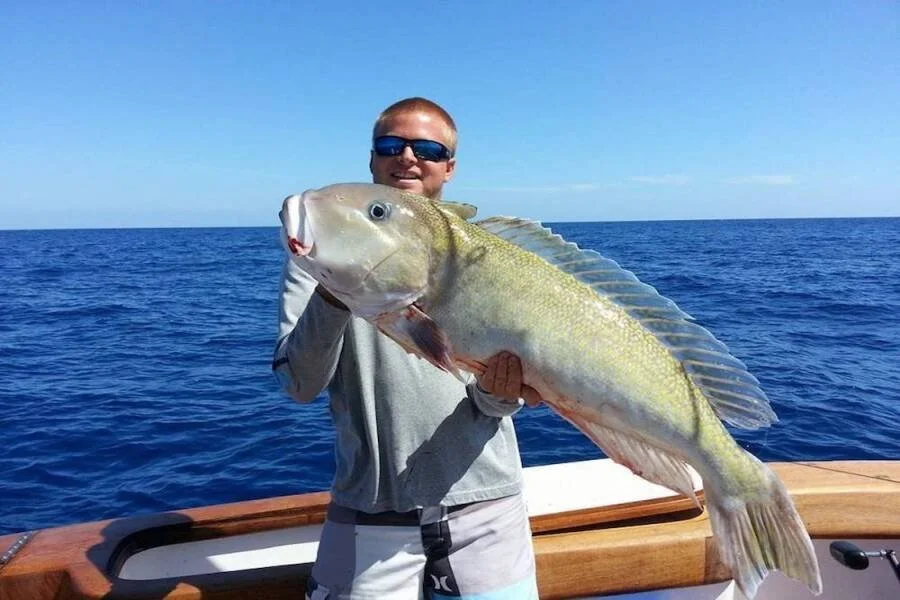

Supporting rare event species research
Through citizen science on the GotOne app
Contribute to TBD research with your GotOne app
Some words here about rare event species and the role of TNC
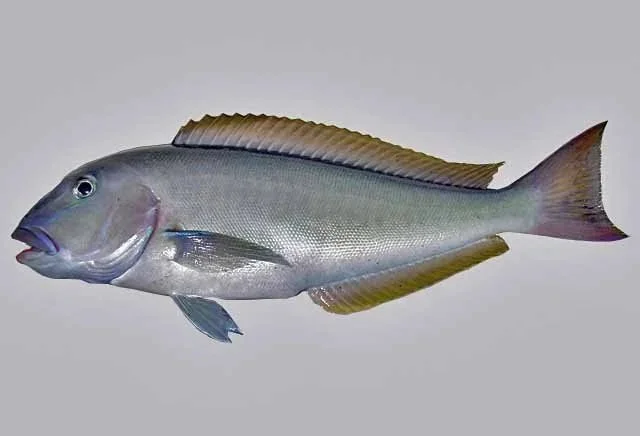
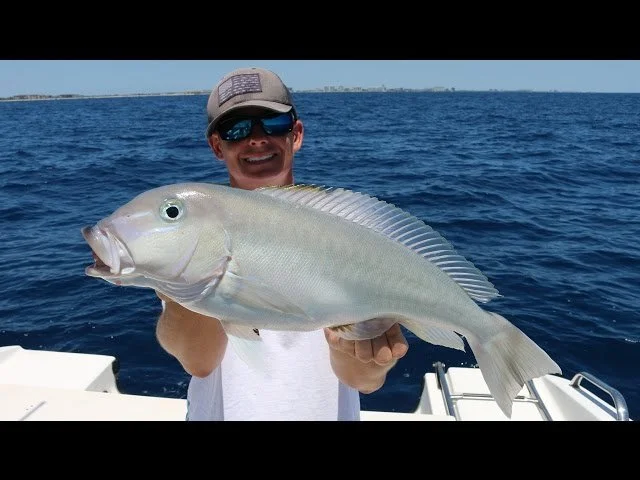
Identifying snowy grouper, warsaw grouper, queen snapper, blueline tilefish, golden tilefish, speckled hind
TBD info here about how to identify each of the rare event species
How to accurately record the length
When recording the length of your catch, you should use the total length of the fish. Measure in a straight line from the tip of the snout to the extreme tip of the tail fin. Adjust the tail by rotating or squeezing to obtain the maximum length of the fish.

Recording additional data about your rare event species catch
When sharing your catch data with our research partners at The Nature Conservancy, in addition to the total length of the fish, you’ll be asked to record the following information. You do NOT have to fill out all the data if you are unable to do so, and remember, your catch logs are shared anonymously!
Weight:
If you have a scale handy, please record the weight of your catch, in pounds.
Result of catch:
Kept - fish was landed and kept (harvested)
Released - fish was landed and released
Released (vented) - fish was landed and released after venting the swim bladder
Released (descender) - fish was landed and released with the aid of a descending device
Lost - fish was hooked and species identified, but not landed
Lost (depredation) - fish was hooked and species identified, but was eaten by a predator (shark, dolphin, etc) before landing
Depth:
Estimate the depth at which the fish was hooked, in feet.
More information about rare event species research
For more information about research into rare event species, check out the following resources: